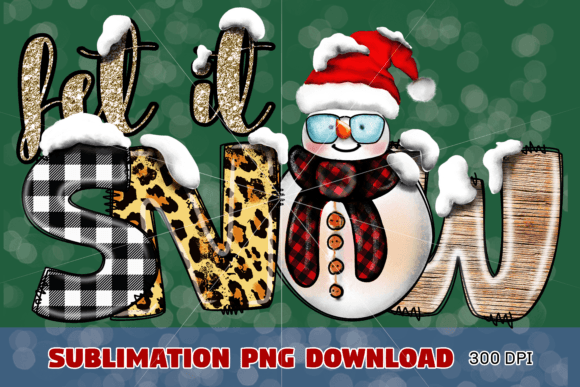
Christmas Winter Vector Review for Real Embroidery
When I first opened the Christmas Winter Vector, my initial reaction wasn't about stitch counts or file formats. It was about the mood. There is a specific kind of magic that happens when a digital illustration translates into thread, and this design captures the cozy, nostalgic feeling of a snowy holiday evening perfectly. As someone who has spent years reviewing embroidery files for both personal hobby projects and commercial boutique collections, I look for designs that hold up under the microscope of real-world application. This Illustrations category piece feels less like a generic clipart download and more like a curated asset ready to elevate a handmade product.
The First Stitch: Visual Personality and Mood
The Christmas Winter Vector exudes a sense of warmth despite its wintry theme. The composition relies on strong, recognizable shapes that suggest depth without requiring excessive complexity. For an embroidery designer, the most critical factor in a vector-based design is how well it handles the transition from screen to fabric. In this case, the layout appears balanced enough to work as a standalone focal point on a garment or accessory. It avoids the trap of being too cluttered, which often leads to muddied details once stitched.
I imagine this design immediately when thinking about holiday-themed merchandise. It has a distinct visual personality that fits seamlessly into winter narratives. Whether you are creating a festive apron for a family gathering or a branded item for a small shop, the aesthetic is versatile enough to feel premium rather than mass-produced. The lines are clean, suggesting that the final embroidery project will have crisp edges and clear definition, provided the digitization matches the original vector's intent.
Real-World Application: From Screen to Stitch
Let's talk about where this design actually lives. I recently considered using a similar style of machine embroidery design for a custom order involving embroidered patches for a local craft fair. The Christmas Winter Vector would have been an ideal candidate for that scenario. Its structure allows for excellent placement on curved surfaces, making it a strong contender for caps and hats where space is limited but impact is needed.
However, the true test of any embroidery file is its performance on varied fabrics. I envision this design thriving on sturdy materials like canvas tote bags or heavy cotton sweatshirts. The density required to render the snowflakes or winter elements would likely hold up beautifully against the texture of these fabrics. For a tote bag design, the contrast between the thread and the canvas would create a tactile experience that customers love to touch. Similarly, for sweatshirt embroidery, the soft fleece background would allow the stitches to pop without distorting the garment's drape.
It also shines in the realm of home decor. Imagine this stitched onto a linen pillow cover or a kitchen towel. The holiday embroidery aspect adds a layer of sentimentality that makes the item a perfect personalized gift. When a customer receives a pillow with such a carefully rendered winter scene, they aren't just buying a product; they are buying a memory. This emotional connection is crucial for Etsy sellers and small business owners looking to differentiate their craft business offerings.
Where to Exercise Caution
While the Christmas Winter Vector is promising, no design is universally perfect. There are specific scenarios where this file might struggle if not handled with care. One major consideration is the hoop size. If the design contains intricate details that require a large area to be fully realized, attempting to stitch it in a smaller hoop could result in lost definition or excessive pulling on the fabric.
Textured fabrics present another challenge. While the design looks great on smooth cotton, applying it to highly textured materials like boucle or thick wool might obscure the finer details. The thread might not lay flat, leading to a slightly rough appearance. Additionally, for dark fabric applications, you must ensure there is sufficient underlay and that the thread colors chosen provide enough contrast. Without proper planning, the design could disappear into the background, ruining the visual appeal of the finished product.
Stretchy fabrics require special attention. If you plan to use this on a baby onesie or a stretchy knit cap, the stability of the stitching becomes paramount. You will need to select the right type of stabilizer to prevent puckering. A design that looks perfect on a rigid board can warp significantly on a flexible surface if the tension isn't adjusted correctly. Always remember that the success of your commercial embroidery depends on these technical nuances.
Impact on Brand and Customer Trust
In the world of handmade goods, quality is the currency of trust. A well-executed embroidery project signals professionalism and attention to detail. When customers see a Christmas Winter Vector applied cleanly, with even stitch density and no loose threads, they perceive the entire brand as higher quality. This perception directly influences buyer engagement and repeat purchases.
Conversely, a poorly executed design can damage a small shop product's reputation instantly. If the fill stitch areas are too dense, the fabric may become stiff and uncomfortable. If the satin stitch edges are jagged, the item looks cheap. The Christmas Winter Vector offers a solid foundation, but it is up to the designer to ensure the execution matches the high standards expected by modern consumers. This is especially true for digital product sellers who provide mockups; the preview image must accurately reflect what the customer will receive.
Practical Designer Notes for Success
Before committing this design to a production run, there are several steps every experienced maker should take. First, always test the embroidery design on scrap fabric that mimics your final material. This allows you to check the thread color contrast and ensure the stitch density is appropriate for the fabric weight. You might find that a lighter stabilizer is needed for delicate items, while a heavier cut-away is better for heavy-duty gear.
Inspect the small details closely. Sometimes, vectors contain tiny elements that do not translate well to thread. If the design includes tiny lettering or fine decorative accents, consider simplifying them during the digitizing phase to maintain clarity. Testing the design in black and white mockups can also help you visualize the value and balance of the composition before spending money on thread.
If you intend to sell finished items created with this digital embroidery file, confirm the licensing terms explicitly. Ensure you have the right to use the design assets for commercial purposes. Also, compare light and dark fabric backgrounds to see how the color palette performs. Finally, verify whether the file works for both personal and commercial projects to avoid legal issues down the road.
The Christmas Winter Vector is more than just a pretty picture; it is a tool for creating tangible value. By understanding its strengths and limitations, you can transform a simple vector into a stunning handmade product that stands out in a crowded market. Whether you are decorating a nursery, preparing boutique branding, or creating unique wedding gifts, this design provides the visual anchor needed to tell a compelling story through thread.