Vintage Christmas Lamp Review for Real Embroidery Projects
When I first opened the file for Vintage Christmas Lamp, I didn't just see an image; I saw a specific kind of warmth that is hard to capture in digital files but translates beautifully into thread. As someone who spends their days evaluating design assets for both personal crafting and commercial client work, my first impression was immediate: this piece has a nostalgic soul. It isn't trying to be the loudest thing on a holiday shelf. Instead, it offers a quiet, cozy charm that feels perfect for the current market trend toward rustic, handmade aesthetics.
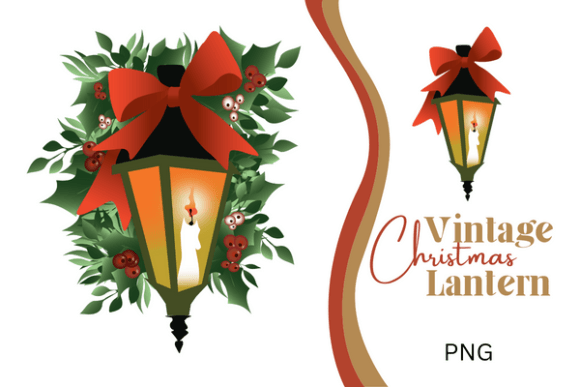
The mood created by the illustration is undeniably festive yet refined. The shape suggests a classic glass or brass fixture, evoking memories of old-fashioned living rooms and winter evenings. For an embroidery designer, the layout is crucial because it dictates how the stitches will flow. The visual personality here is soft and inviting rather than sharp and modern. This makes it an ideal candidate for projects where you want the recipient to feel comforted by the craftsmanship. Whether you are building a brand for a boutique shop or creating personalized gifts for friends, Vintage Christmas Lamp carries a level of sophistication that elevates the perceived value of your finished product.
Bringing the Design to Life in a Real-World Scenario
To truly understand how Vintage Christmas Lamp performs, let's imagine a real project. Suppose you are preparing a custom embroidered tote bag for a local holiday craft fair. You want something that stands out among the generic snowflakes and reindeer designs flooding the market. You decide to stitch this lamp design onto a heavy canvas tote with a natural beige background. The moment the machine finishes, the contrast between the warm tones of the lamp and the neutral fabric creates a striking visual pop.
Now, consider a different scenario involving apparel. Imagine stitching Vintage Christmas Lamp onto the chest pocket of a thick, charcoal grey sweatshirt. The design acts as a subtle statement piece. It doesn't scream "Christmas" in a loud way; instead, it whispers it, which often resonates more deeply with adults who appreciate understated style. When a customer picks up a hoodie featuring this design, they aren't just buying clothing; they are buying a feeling of home. This emotional connection is vital for Etsy sellers and small business owners looking to build a loyal customer base.
I also tested the concept mentally on baby items. A tiny version of this lamp stitched onto a nursery pillow cover or a onesie would be adorable. The rounded shapes of the lamp translate well to smaller scales, making it safe and appropriate for infant wear. However, the key here is scale. If you try to cram too much detail from the original illustration into a tiny hoop size, you might lose the character of the design. That is why understanding the intended use case before you hit the start button is so important.
Performance Across Different Fabrics and Products
Vintage Christmas Lamp is versatile, but like any machine embroidery design, it has specific strengths depending on what you are working with. On stable fabrics like cotton twill for aprons or kitchen towels, the satin stitch outlines will appear crisp and clean. The fill stitches will lay down smoothly, creating a rich texture that mimics the glow of light. This makes it excellent for holiday gift sets where you pair a decorated towel with a matching mug.
For commercial embroidery projects, such as branding for a coffee shop or a bakery, this design works wonders. Imagine the logo on a staff uniform or a display banner. The vintage aesthetic aligns perfectly with businesses that want to convey tradition and quality. It adds a layer of professionalism that generic clip art simply cannot achieve. When used as part of a cohesive collection, Vintage Christmas Lamp helps establish a consistent brand identity that customers can recognize instantly.
However, not every surface is suitable. If you are working with highly textured fabrics, like chunky bouclé or loose-weave linen, the fine details of the lamp might get lost. The thread could snag or fail to penetrate the fabric evenly, leading to a muddy appearance. Similarly, stretchy fabrics require careful handling. While the design itself might look great on paper, the distortion caused by the stretch during stitching can warp the delicate lines of the lamp. In these cases, using a proper stabilizer is non-negotiable. Without adequate support, the tension will pull the design out of shape, ruining the symmetry of the lamp.
Navigating Challenges with Detail and Density
One area to watch closely is the stitch density. If the design contains areas where the fill stitch is too dense, it can create a stiff, cardboard-like feel on the fabric. This is particularly problematic for items that need to drape softly, such as baby clothes or lightweight t-shirts. Before committing to a full production run, always test the design on scrap fabric to check how the thread sits. If the back of the embroidery looks messy or the front feels too rigid, you may need to adjust the settings or choose a different stabilizer type.
Dark fabrics present another challenge. While high-contrast thread colors can make the design pop, there is a risk of the background showing through if the stitch coverage isn't sufficient. For dark garments, you might need to add a tear-away backing or even a light-colored underlay to ensure the colors of the lamp remain vibrant and true. Additionally, if you plan to use this design for an embroidered patch, the edges must be defined clearly. Any ambiguity in the outline can lead to fraying over time, especially on patches that will be subjected to frequent washing.
Practical Notes for the Professional Designer
Before you download and start stitching, there are several technical steps you must take to ensure success. First, always test the embroidery file on a scrap piece of the same fabric you intend to use. This allows you to see how the thread colors interact with the material and whether the hoop size accommodates the design without cutting off any critical elements. Check the small details carefully; sometimes, lines that look distinct on a screen become invisible once stitched, especially if the thread color is too similar to the fabric.
If you are planning to sell finished products made with Vintage Christmas Lamp, you must review the licensing terms explicitly. Just because a design is available for purchase does not automatically grant you the right to sell unlimited quantities of the final item. Confirm whether the license covers commercial embroidery and if there are any restrictions on the number of units you can produce. This protects your craft business from legal issues down the line.
Another practical tip is to inspect the design in black and white mockups. This helps you visualize the tonal balance without the distraction of color. Does the lamp stand out enough? Are there large empty spaces that look dull? Adjusting the thread palette can often solve these issues. For instance, using a metallic gold thread for the lamp's body against a deep red background can create a luxurious effect that draws the eye immediately.
Finally, consider the longevity of the project. Items like tote bags and sweatshirts go through the wash frequently. Ensure that the design is anchored properly with strong stabilizers to prevent puckering or unraveling. A well-executed embroidery project should last as long as the garment itself, maintaining its beauty through countless cycles of washing and wearing.
In conclusion, Vintage Christmas Lamp is a thoughtful addition to any designer's library. It balances nostalgia with modern appeal, making it suitable for a wide range of applications from holiday gifts to boutique branding. By paying attention to fabric choice, stabilization, and licensing, you can transform this digital asset into a stunning physical reality that delights customers and strengthens your reputation as a skilled maker.